Guitar Maintenance Tools: Handles, Sockets and Drivers
The Quiet Killers Hiding in Plain Sight
Got time? You got a guitar? But you got excuses. This is the moment where guitar maintenance tools actually matter. Not the Instagram wipe down. Not the lemon oil cosplay. This is the moment where you stop pretending and start checking whether your guitar is actually holding itself together.
Polish the finish. Clean the frets. Condition the fretboard. Cool. That is table stakes. But the question that separates players from techs is simple.
Is everything tight.
Output jack nuts. Pot nuts. Tuner bushings. Strap buttons. Every threaded connection on a guitar is a potential tone leak reliability failure or noise generator. Guitars live in a world of vibration. Anything that can loosen eventually will loosen. Physics does not care about your brand loyalty.

Spinner Handles and Deep Sockets Are Essential Guitar Maintenance Tools
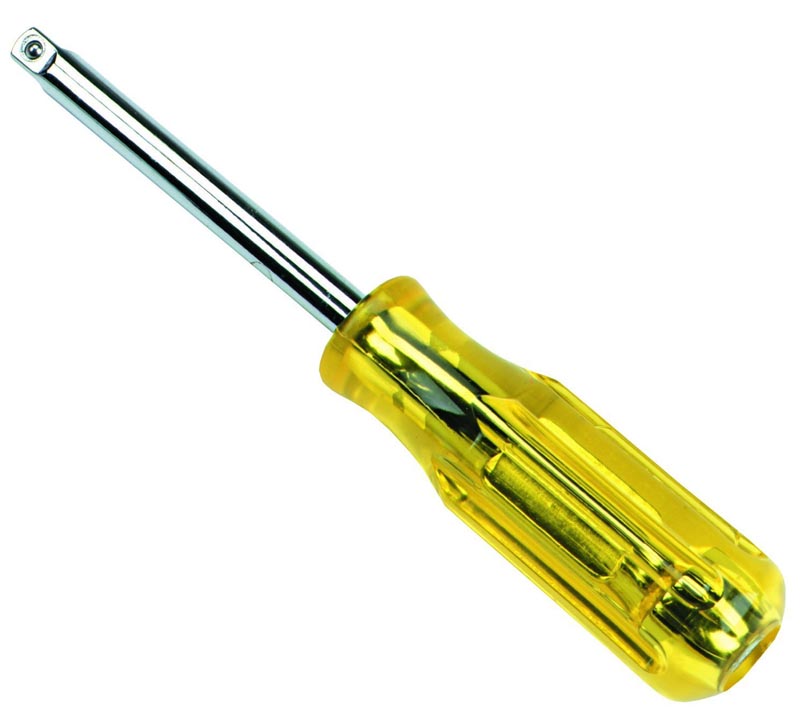
A six inch spinner handle with a quarter inch drive is one of the most criminally underrated guitar tech tools on the planet. It lives in the overlap between finesse and authority. You get speed without slop and control without knuckle busting.
The spinner handle lets you feel resistance change in real time. That matters. You are not cranking lug nuts on a truck. You are seating hardware against finished wood metal plates and thin washers. Over tightening kills components just as efficiently as neglect.
This tool also fits in a gig bag without looking like you robbed a mechanic. Minimal footprint. Maximum usefulness. Very Phineas-approved.

Deep Sockets Because Shafts Exist
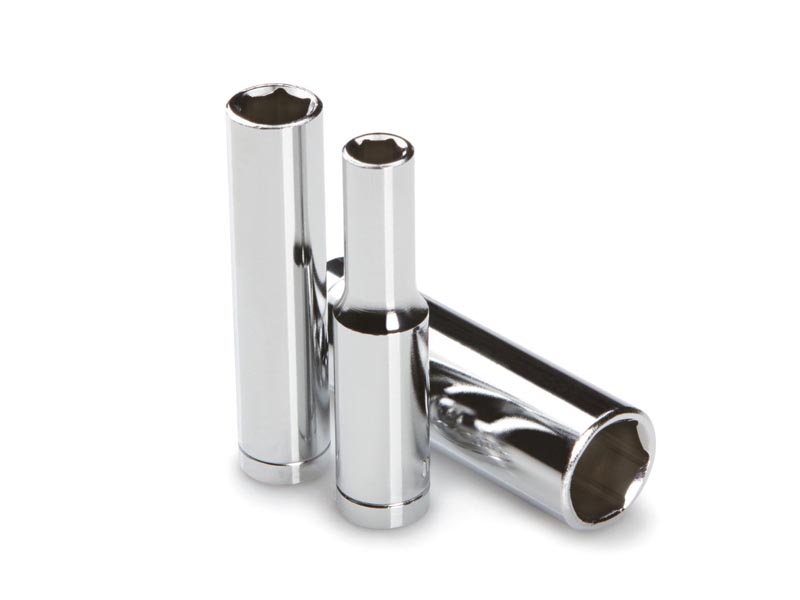
Deep sockets are not optional if you care about clean work. Standard sockets bottom out early and force you into bad angles. That is how finishes get chipped and washers go missing into the void.
A half inch deep socket covers most potentiometer nuts and output jacks commonly used in modern guitars. 10MM handles most tuner bushings especially on sealed machine heads. 7/16″ still shows up on older or legacy pots so yes you keep one around even if you swear you are done with them.
Deep sockets slide cleanly over pot shafts and tuner posts without fighting you. The result is straight pressure even torque and zero drama. This is how professionals move quickly without leaving scars.
Loose Hardware Is Not Cosmetic, It Is Sonic
A loose output jack introduces intermittent contact. Crackle. Dropouts. The dreaded dead signal mid riff. That is not mojo. That is negligence.
A loose volume or tone pot rotates when it should not. It breaks your muscle memory and pulls you out of the moment. That matters more than people admit.
But tuner bushings are the real sleeper issue. Loose bushings reduce tuning stability and bleed vibrational energy at the headstock. That energy should travel through the neck not rattle around in free space. Tight bushings improve tuning reliability and preserve resonance. This is not mysticism. It is mechanical coupling.
You do not reef on them. You seat them firmly. Feel matters.

Spinner Handle Versus Nut Drivers Choose Your Weapon
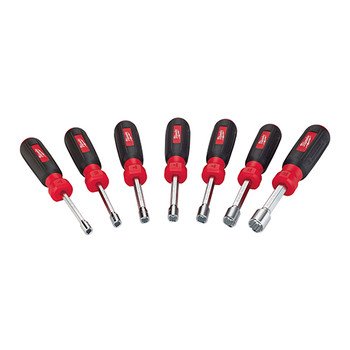
Some players swear by dedicated nut drivers in every size. That is valid. Nut drivers are fast and idiot resistant. If you tech for multiple instruments daily they make sense.
A single spinner handle with interchangeable sockets offers flexibility and space efficiency. One handle. Many sizes. Fewer duplicates. Easier upgrades.
There is no moral victory here. Use what keeps you consistent and careful. Tools exist to serve the work not your identity.
Building a Real World Guitar Tech Kit
You do not need a boutique altar of guitar maintenance tools to maintain guitars properly. You need the right tools chosen intentionally.
Browse StewMac and AllParts for guitar specific hardware solutions. Walk the aisles of a real hardware store and learn what quality steel feels like. Watch builders and repair techs who actually break guitars and fix them again. Texas Toast puts real work on camera and that matters.
Every tool you add should solve a problem you actually encounter. If it does not earn its place it does not ride in the bag.

Riff Tight Guitars Sound Better
This is not busy work. This is preventative maintenance that pays dividends in tone stability and confidence. A guitar that holds itself together plays better sounds better and stays out of the shop.
Spinner handles deep sockets and a little mechanical awareness turn downtime into advantage. Tighten the weak links. Keep the energy moving where it belongs. Play louder with fewer excuses.
That is not overthinking. That is respect for the instrument.

Final Word
If your guitar rattles it is telling you something. Instruments speak in vibration not excuses. Tight hardware is not optional and it is not cork sniffing. It is the difference between an instrument that fights you and one that stays out of your way.
Spinner handles, deep sockets and a little mechanical respect turn maintenance into mastery. Keep the energy coupled. Keep the noise intentional. If your guitar falls apart under your hands that is not character. That is a failure of discipline.
Tighten your gear. Trust your hands. Play like it matters.
7 string 59 Airbucker Alnico 2 Alnico 4 Alnico 5 Alnico 8 Artist Signature Bare Knuckle BKP Brown Sound Celestion Ceramic Charvel Custom Shop David Shepherd DiMarzio Dual Resonance Edge EVH Fishman Floyd Rose Gibson HSP90 Humbucker Ibanez JB Jimmy Page John Petrucci MJ Mojotone P90 PAF Pariah Pickup Rail Satch Seymour Duncan Singlecoil Single Width Speaker Steve Vai Tech Tip Tremolo Virtual Vintage