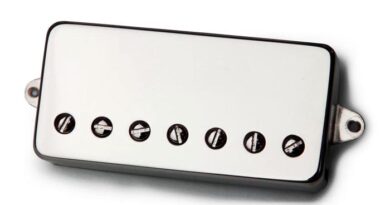
Bare Knuckle Aftermath 7
Opening the Riff: Why the Aftermath 7 Belongs Here
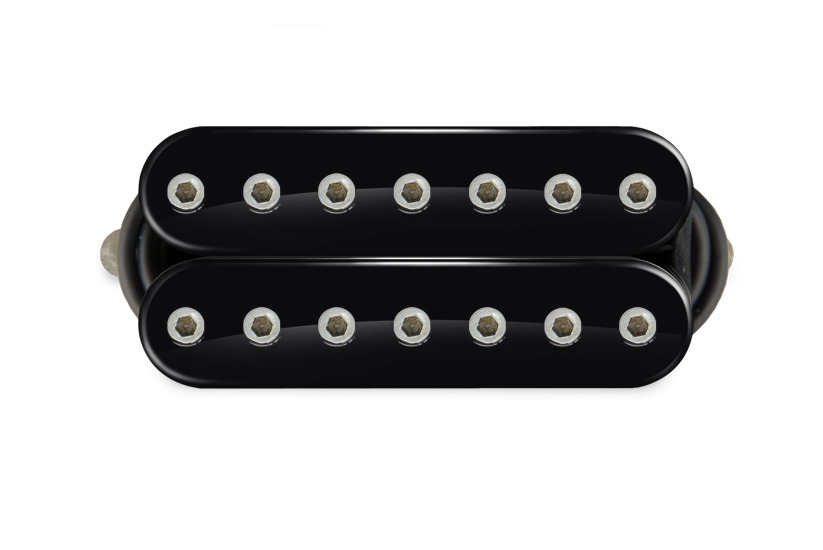
The Bare Knuckle Aftermath 7 string humbucker lands in my 7-string with purpose. This pickup does not arrive by accident. It goes into an Ibanez, and that matters. Ibanez installs the Aftermath in a growing number of production guitars, and manufacturers do not make those decisions lightly. That alone speaks volumes about how the Aftermath 7 pairs with extended range instruments and modern neck through and bolt on designs.
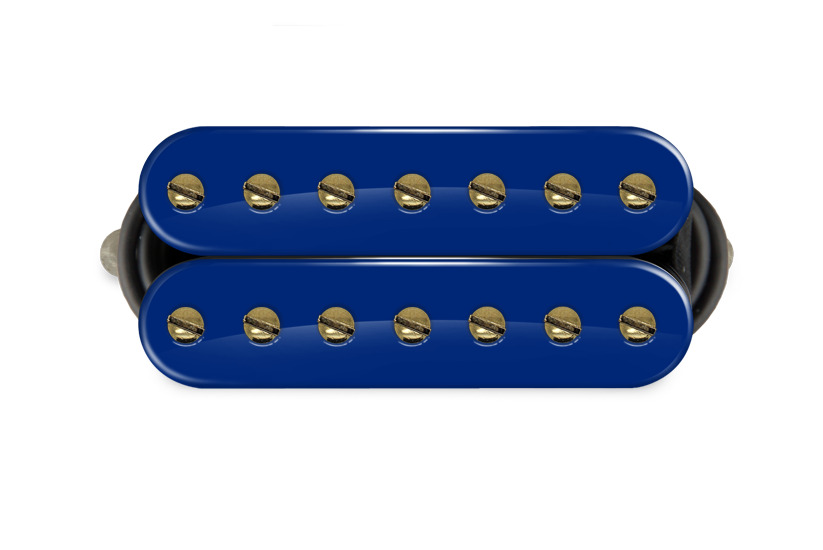
There is also the matter of color, which longtime readers know is rarely a selling point for me. Tone always comes first. That said, this is one of those rare exceptions where aesthetics actually matter. The pickup comes in a deep green that perfectly matches the Ibanez Universe guitar it lives in, and suddenly the whole instrument looks intentional instead of assembled.
Ibanez calls this finish Loch Ness Green. Bare Knuckle simply calls it green, but make no mistake, the match is dead on. This particular guitar lives indoors and never sees daylight, so the original bobbins show zero fading. The Bare Knuckle green drops in seamlessly and preserves the factory look without compromise. It looks correct. It feels correct. And most importantly, it sets the stage for what the Aftermath 7 is really about once the amp comes on.
The Drop In Test: Installing the Aftermath 7
The Bare Knuckle Aftermath 7 humbucker set drops into an Ibanez Universe 7-string, which is about as honest a test platform as you can ask for. The guitar features a basswood body paired with a 24 fret maple neck, a 25.5 inch scale length, and a rosewood fingerboard. The Edge 7 locking tremolo stays in place, because stability matters when evaluating a pickup this precise.
The wiring harness remains completely stock, and the middle single coil stays right where it belongs. This matters, because the goal is to hear what the Aftermath 7 brings to the table without rewriting the entire instrument. The guitar runs in standard 7-string tuning with a low B on the seventh string, strung with 9 to 54s.
Ibanez Universe switching is part of the evaluation and plays a bigger role than many players expect.
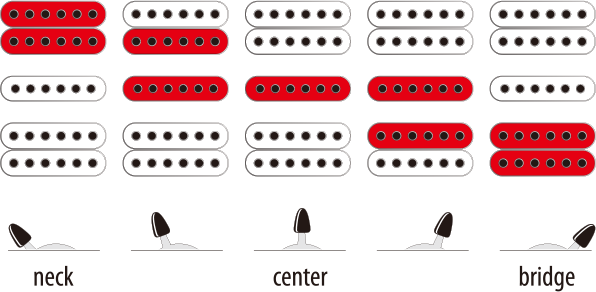
This layout introduces split coil combinations with the middle single coil, which adds another layer of usefulness to the Aftermath 7. It is not just about full humbucker aggression. It is also about how well the pickup behaves when asked to share space, clean up, and interact with a traditional single coil voice.
Under the Microscope: How the Aftermath 7 Actually Behaves
Players familiar with the Aftermath 6-string set already know there are multiple pole piece options on the menu. With the Aftermath 7, the mission stays simple. To preserve the original visual identity of the guitar, this set runs bolt pole pieces across the board. That choice is not just cosmetic. The length and shape of the bolt heads introduce a tighter feel with added precision and focus, especially under high gain.
The bridge position defines control. The ceramic magnets lock down the low end in a way that feels deliberate rather than aggressive for its own sake. That matters on a 7-string, where uncontrolled bass can quickly turn into mush. Compared to the 6-string version, the midrange here feels slightly less throaty and more disciplined. Those mids serve the low end by sharpening note separation, while the high end stays ready to jump into harmonic territory without becoming brittle. For modern hard rock and metal, the Aftermath 7 feels completely at home.
The neck pickup operates as a counterweight rather than a mirror. Powered by an Alnico 5 magnet, it delivers a fuller low end with an upper register that leans surprisingly woody. There is warmth here that contrasts nicely with the surgical nature of the bridge. Personal preference still leans toward offering a ceramic option in the neck, but as voiced, it excels at big clean passages and confident lead work. With a full set of Aftermath 7 humbuckers installed, the tonal bases feel thoroughly covered without overlap or redundancy.
The In Between Magic: Hum Single Hum with the Aftermath 7
The stock middle single coil in this guitar is ceramic, which still earns a raised eyebrow from time to time. Laugh all you want. The reality is that the Aftermath 7 set plays surprisingly well with it in positions two and four. There is no awkward frequency fight or volume drop. Everything stays usable.
In this configuration, the humbucker coil closest to the middle pickup joins the party in those switch positions. That detail matters. The ceramic bridge and the Alnico neck bring contrasting personalities that translate into real tonal variety rather than subtle shades of the same sound. The payoff shows up most clearly on clean amp settings, where note separation and character actually matter.
This is where the Aftermath 7 proves it is more than a high gain specialist. The split tones remain musical and convincing instead of feeling like an afterthought. If the middle position ever calls for a Bare Knuckle upgrade, the short list starts with the Trilogy Suite and very likely lands on the Sinner. Either option would slot in naturally without upsetting the balance that already works so well.
Demo
Specs
Aftermath 7 Bridge
Series – 14.883 K
Inductance – 5.861 H
Split – 7.45 K
Split – 7.458 K
Parallel – 3.725 K
Magnet – Ceramic
Aftermath 7 Neck
Series – 11.285 K
Inductance – 4.873 H
Split – 5.637 K
Split – 5.654 K
Parallel – 2.822 K
Magnet – Alnico 5

What do you say we look at that up next to the 6-string version:
Aftermath 6 Bridge
Series – 15.373 K
Inductance – 6.52 H
Split – 7.693 K
Split – 7.719 K
Parallel – 3.847 K
Magnet – Ceramic
Aftermath 6 Neck
Series – 11.829 K
Inductance – 5.545 H
Split – 5.921 K
Split – 5.923 K
Parallel – 2.96 K
Magnet – Alnico 5
This comparison highlights the intent behind the Aftermath 7 design. Despite the longer bobbin required for 7-strings, the voicing and output remain tightly aligned with the 6-string version. The numbers support what the ears already confirm. The Aftermath 7 is not a departure from the original formula. It is a direct extension of it, built to deliver the same control, clarity, and aggression across a wider range.
Final Verdict: The Aftermath 7 Knows Exactly What It Is
The Bare Knuckle Aftermath 7 humbucker set delivers exactly what extended range players demand without chasing trends or gimmicks. This pickup is about control first, clarity second, and aggression only when it is earned. The low end stays tight under high gain, the midrange remains disciplined, and the high end cuts without fizz. On a 7-string, that balance is not optional. It is mandatory.
What stands out most about the Aftermath 7 is consistency. Players familiar with the 6-string version feel immediately at home, yet the added range never overwhelms the voicing. Chords stay intelligible. Single notes retain authority. Harmonics jump when asked and stay polite when not. This is a pickup that rewards precision rather than masking sloppiness.
Clean tones are often overlooked in high output designs, but the Aftermath 7 handles them with confidence. Split positions remain musical, the neck stays warm without getting wooly, and the bridge never feels thin or brittle when the gain comes down. That versatility makes this set equally at home in modern metal, hard rock, and progressive applications where dynamic response actually matters.
For players who live in lower tunings or extended range territory, the Aftermath 7 feels less like an experiment and more like a finished statement. It does not fight the guitar. It completes it.
For reference, this Bare Knuckle Aftermath 7 humbucker pickup set evaluation was conducted with a Fractal Axe-Fx II XL+ featuring Celestion Impluse Responses and Fractal MFC-101 MIDI Foot Controller. In addition, real cabs in use are Marshall 1960B, Mojotone British, and Peavey 6505 cabs loaded with Celestion Classic Series Vintage 30s and Classic Series G12M Greenbacks.
Bare Knuckle Pickups Website | Facebook | Twitter | YouTube | Instagram
7 string 59 Airbucker Alnico 2 Alnico 4 Alnico 5 Alnico 8 Artist Signature Bare Knuckle BKP Brown Sound Celestion Ceramic Charvel Custom Shop David Shepherd DiMarzio Dual Resonance Edge EVH Fishman Floyd Rose Gibson HSP90 Humbucker Ibanez JB Jimmy Page John Petrucci MJ Mojotone P90 PAF Pariah Pickup Rail Satch Seymour Duncan Singlecoil Single Width Speaker Steve Vai Tech Tip Tremolo Virtual Vintage