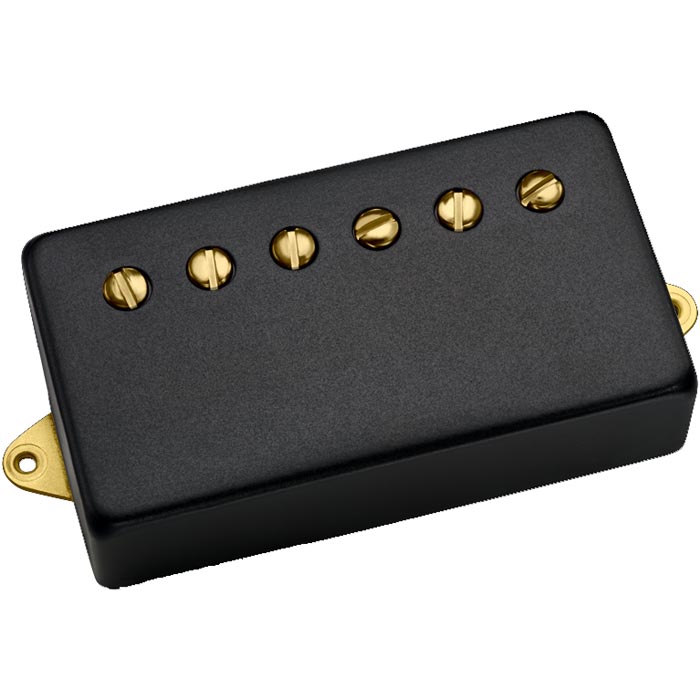
DiMarzio Air Norton
Introduction / History
The DiMarzio Air Norton humbucker occupies a strange and fascinating corner of pickup history. Most players know it as one of the most popular neck humbuckers in the modern rock and fusion universe. What fewer players realize is that the Air Norton was originally conceived as a bridge pickup. Yes. The internet has been gaslighting guitar players about this for years.
The goal is simple. Deliver the harmonic density and sustain of a hot humbucker while preserving the feel and articulation of a vintage design. On paper, the Air Norton lands squarely in the medium output camp. That puts it in the tonal neighborhood between vintage PAF sweetness and late-80s hot rod aggression.
Somewhere along the way, players begin installing it in the neck position and discover something magical. The pickup becomes famous for its thick, vocal lead tone and smooth low end. Before long, the Air Norton develops a reputation as one of the best neck pickups ever made.
But that popularity hides the important truth that the Air Norton is still a fantastic bridge pickup. And that is exactly what we are exploring today.
Airbucker Tech
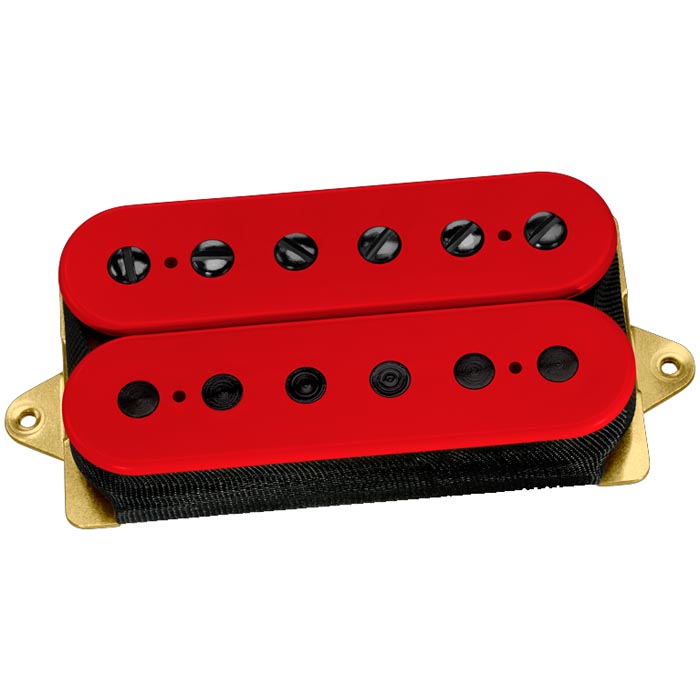
The short version is that the Airbucker tech reduces the magnetic field by adding space (or “air”) between the magnet and the poles. Degaussing the magnet can be inconsistent. This technology offers a much more consistent result, generally using an Alnico 5 in a way to produce the effect of an Alnico 2.
courtesy of Guitar Pickup Database
Dual Resonance
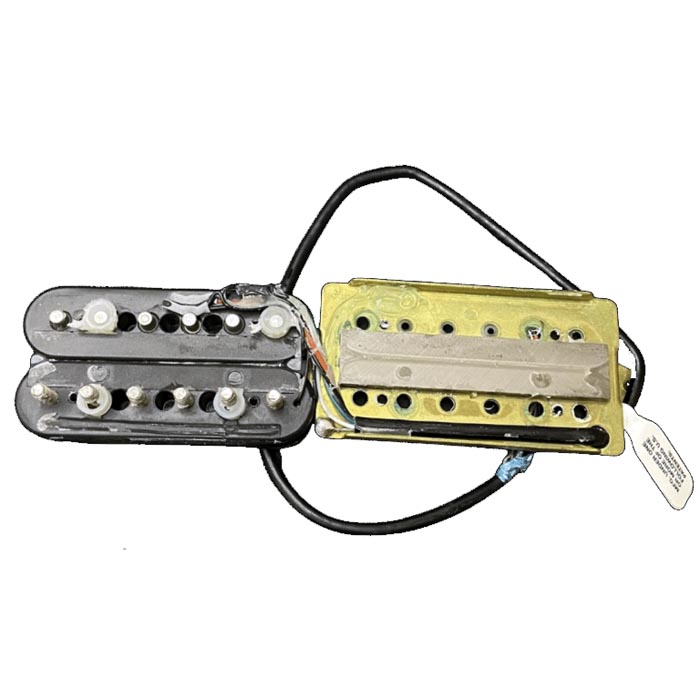
Dual Resonance is basically mis-matched coils. It’s common for several pickup companies to allow about a 5% variance. But Dual Resonance is an intentional mis-matching of the coils to produce a specific “tuning” of the pickup’s voice. According to the patent, it is pretty much about putting a similar number of turns on each coil. But with different wire gauges.
In the image below, you will see that the left bobbin has a skinnier wind than the right bobbin. Yet both bobbins have a similar number of turns. It is the wire gauge that is different. with the left having a smaller gauge and the right having a larger.

courtesy of Guitar Pickup Database
Installation
Test Guitar
For this evaluation, the DiMarzio Air Norton is installed into my usual neutral test platform: a double cut 25-1/2″ scale superstrat built specifically for pickup evaluations. The guitar features an alder body, maple neck, and rosewood fingerboard paired with a German made Floyd Rose Original tremolo system. This combination tends to be very honest. If a pickup has personality, this guitar reveals it immediately.
Electronics follow my standard evaluation recipe. The control cavity contains Bourns 500k pots, a Switchcraft 3-way toggle, and a straightforward volume-only layout. Wiring is classic two humbucker configuration so the pickup can be evaluated both in the bridge and the neck position without additional switching variables.
OEM Configuration
For additional real world context, I have extensive time with the Air Norton outside the test platform as well. It comes installed as factory equipment in the neck position of the Ibanez RG652AHM Prestige, where it is paired with the Tone Zone in the bridge. That pairing has become something of a modern classic in the Ibanez ecosystem, offering a thick high output bridge voice balanced by a smooth and articulate neck pickup.
Spending significant time with the Air Norton in that configuration provides a valuable reference point before moving it into the bridge position for this evaluation. It establishes a clear baseline for the pickup’s familiar neck tone before exploring how it behaves when placed in the position it was originally designed to occupy.
Strings on both are are 9–42, tuned to E standard. This gauge keeps the attack snappy while still allowing the Floyd to float naturally.
One of the advantages of the Airbucker design is its forgiving nature when it comes to height. The reduced magnetic pull allows the pickup to sit a little closer to the strings without choking sustain. With everything dialed in, it is time to hear what the Air Norton actually does where it was originally meant to live: the bridge position.
Evaluation
Bridge Position
Installed in the bridge, the DiMarzio Air Norton immediately reveals why this design refuses to fit neatly into the usual pickup categories.
Clean tones are surprisingly large and dimensional. The low end stays tight without the flubby bloom that sometimes plagues medium output bridge humbuckers. Chords retain definition, and the top end carries a slightly rounded sweetness that avoids the ice pick tendencies some hotter bridge pickups develop. It feels more like a refined hot rod PAF than a modern high output machine.
Rolling into edge of breakup territory is where the Air Norton really begins to show its personality. There is a chewy midrange push that makes single note lines feel thick and vocal without becoming congested. Pick attack remains responsive and elastic thanks to the Airbucker design reducing magnetic drag on the strings.
Under high gain, the pickup sits in a very musical middle ground. It has enough output to drive modern amps without relying on sheer brute force. Instead, it leans into harmonic content and dynamic response. Palm muted riffs feel tight and articulate, while lead lines jump out with smooth sustain and a hint of upper mid bite.
This is not a surgical metal pickup. It is something more interesting. The Air Norton in the bridge feels like a hot rodded classic rock engine that happens to handle modern gain extremely well. Players who want articulation, harmonic richness, and expressive lead tones will find a lot to like here.
Neck Position
Moving the Air Norton into the neck position quickly reminds you why the pickup became famous in the first place.
The first thing you notice is the low end. Many neck humbuckers struggle with excessive bass that turns complex chords into mud. The Air Norton avoids this trap beautifully. The bass response stays full but controlled, allowing chords and extended voicings to remain clear and balanced.
Clean tones feel rich and piano like. There is a natural compression that smooths out the attack without dulling articulation. Arpeggiated chords shimmer with harmonic complexity, and sustained notes bloom gradually rather than collapsing into mush.
Push the amp into overdrive and the pickup delivers that signature vocal lead tone players rave about. The midrange sits forward in the mix, giving single note lines a singing quality that works equally well for fusion, progressive rock, or classic high gain leads.
Fast legato passages stay articulate, and wide vibrato blooms with sustain. The Airbucker construction plays a role here as well. Reduced magnetic pull allows notes to ring longer and feel slightly more elastic under the fingers.
In the neck position, the Air Norton behaves exactly like its reputation suggests: smooth, expressive, and deeply musical without sacrificing clarity.
Specs
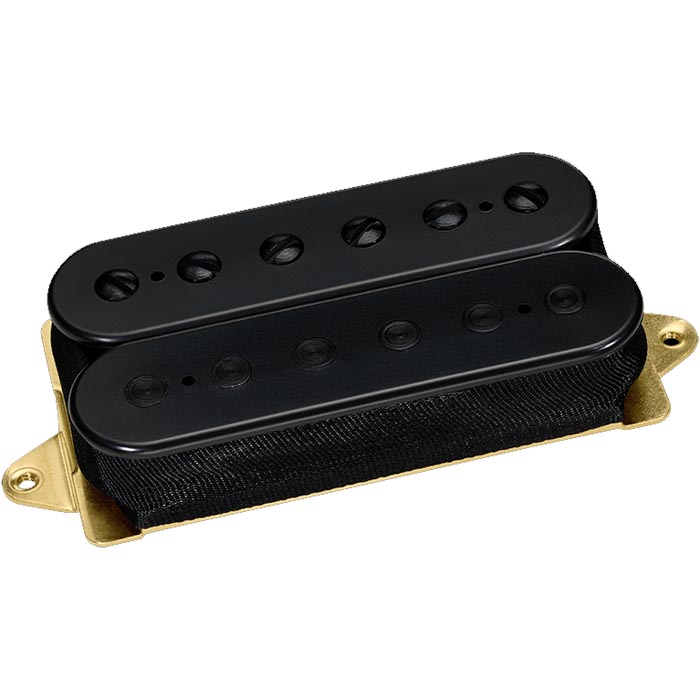
Series – 12.838 k
Inductance – 6.104 H
Split Screw – 5.449 k
Split Slug – 7.419 k
Parallel – 3.139 k
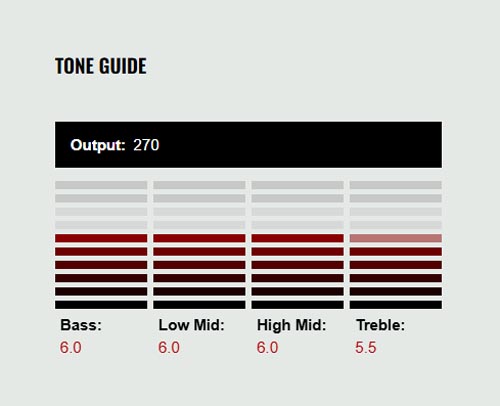
Output – 270 mV
Magnet – Alnico 5
Demo
Of course, it’s quite easy to find many examples of the Air Norton in the neck. Early Dream Theater as an example. Here are a few others:
How about in the bridge position, you ask? You betcha. How about a Nash Tele with the Air Norton in the bridge and a Bluesbucker in the neck. Yes, I know what the guy in the video says, but he does have the confused.
Conclusion
The DiMarzio Air Norton is one of those rare pickups that earns its reputation honestly, even if the story around it has drifted a bit over time. Yes, it is an outstanding neck humbucker. That reputation is well deserved. The smooth attack, controlled low end, and vocal lead response make it one of the most reliable neck pickup choices in the modern humbucker catalog.
But evaluating the Air Norton in its originally intended bridge position reveals something equally compelling. It delivers the harmonic richness and dynamic feel of a vintage inspired pickup while still carrying enough output and midrange presence to handle modern gain structures. Players who want a bridge pickup that prioritizes expression, harmonic detail, and dynamic response over sheer output will find the Air Norton to be a seriously underrated option.
Sometimes the guitar world accidentally pigeonholes a great piece of gear. The Air Norton proves that great pickups do not really care which position you install them in. In other words, it lives in that magical middle ground between classic and contemporary.
For reference, this DiMarzio Air Norton DP193 humbucker pickup evaluation was conducted with the following: Fractal Axe-Fx II XL+ featuring Celestion Impluse Responses and Fractal MFC-101 MIDI Foot Controller. ADA MP-1 Tube Pre-Amp loaded with Tube Amp Doctor ECC83 Premium Selected tubes, using the ADA MC-1 MIDI Controller. Fryette LX II Stereo Tube Power Amplifier. Physical cabs use are Marshall 1960B, Mojotone British, and Peavey 6505 cabs loaded with Celestion Classic Series Vintage 30s and Classic Series G12M Greenbacks.
DiMarzio Website | Facebook | Twitter | YouTube | Instagram
7 string 59 Airbucker Alnico 2 Alnico 4 Alnico 5 Alnico 8 Artist Signature Bare Knuckle BKP Brown Sound Celestion Ceramic Charvel Custom Shop David Shepherd DiMarzio Dual Resonance Edge EVH Fishman Floyd Rose Gibson HSP90 Humbucker Ibanez JB Jimmy Page John Petrucci MJ Mojotone P90 PAF Pariah Pickup Rail Satch Seymour Duncan Singlecoil Single Width Speaker Steve Vai Tech Tip Tremolo Virtual Vintage